
Muskets & Magic Classes and armies
Pick a role, then pick a nation. Muskets, blades, and four magic schools share the same ticket clock.
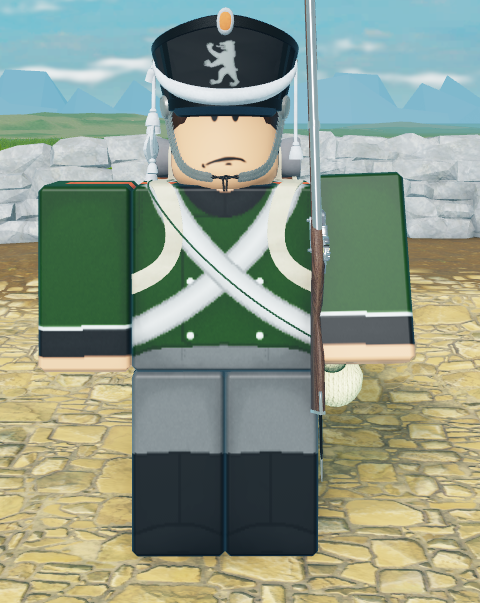
Muskets & Magic is an online team PvP shooter on Roblox from Nanoplex Studio. The title on the game page is [EARLY ACCESS] MUSKETS & MAGIC, and that label matters: class kits, mage caps, and map pairings still move as playtests land. This hub is the roster map. You pick a class, you inherit a faction kit, and you fight on PC, mobile, or console in the same round. Crowns are the in-game currency for cosmetics and shop items; they do not change which eight roles exist.
If you are spawning for the first time, read getting started first, then come back here to lock a job. The class tier list is a playtest-informed ranking, not a Nanoplex patch note. Use it after you understand what each role actually does.
The eight standard roles
Ignia and Zemliya share the Napoleonic spine. Sitari and the Descendants of Death rename several jobs and swap guns for other tools, but the eight slots still answer the same questions: who shoots, who flanks, who breaks a melee, who buffs range, who builds, who heals, who holds the flag, who casts.
Line Infantry carries a musket, often with a bayonet. No extra attributes. You are the wall of men. Volley, reload in cover, and only close when the line has already won the smoke. This is the default first pick and the class a ticket Deathmatch still needs even when flashier roles are open.
Rifleman takes a rifle and a shortsword. You are the skirmisher. Play flanks, hedges, and windows. You are not a second Line Infantry with a prettier gun; if you stand in the main volley you waste the rifle’s job.
Grenadier still uses a musket, but with more health and stamina, slower reload, worse accuracy, and a taller hitbox. The kit is a melee break, not a better line shot. You smash a doorway, a flag pocket, or a Sitari lineman who thought the smoke would save him.
Officer uses a pistol and a sabre. Nearby teammates get range boosts, and your chat prints in bold white so orders actually get read. The pistol reloads faster than a musket and dies at distance. Lead from the front, mark angles, and stop treating the class like a duelist who happens to have a title.
Sapper brings axe, hammer, and shovel, builds fortifications, and stands slightly taller. On open ticket maps you still help, but Attack Defense is where the class spikes. Wickland Manor is the obvious classroom: palisades, firing steps, and the joy of deleting the other team’s cover.
Healer (Surgeon on some faction cards) holds bandage and sabre. You get area healing, targeted wraps, and a passive self-heal to full that other classes do not. Early-access groups that skip a Healer leak tickets. Stay a step behind the volley, not in the manor kitchen alone. The full bandage route is the Healer guide.
Ensign (Flag Bearer / Standard Bearer) carries the flag and a sabre. You can respawn teammates on the flag when respawns are on, teammates are close, and tickets remain. You also grant stamina and print white chat. On ticket modes this is the single most valuable body on the field. Protect the cloth; do not 1v1 a Brute in a ditch.
Mage drops guns entirely. A glove or staff replaces stamina with mana, Ctrl dashes you off a bad angle, and the school changes with the faction: Fire, Earth, Light, or Death. Slots are often capped. If Mage is full, you are not owed a swap. Learn how to play Mage before you burn a cap on fireworks.
Sitari and the Descendants of Death keep eight slots but change the toys. Sitari fields Lineman, Light Infantry (archer), Heavy Infantry, Knight, Engineer, Doctor, Standard Bearer, and Light Mage. Descendants of Death field Cultist, Undead Werewolf, Brute, Skeleton Officer, Trapper, Healer, Standard Bearer, and Necromancer. Those kits live on the Sitari and undead page.
Four factions, four schools
You do not pick a class in a vacuum. The nation paints the musket, the glove, and the map you are likely to see.
The Empire of Ignia is fire magic, capital Embrodire, Emperor Ambrose, roughly fifteen million people and a two-hundred-ten-thousand-strong Imperial Ignian Army. Motto: Prosperity is Strength. Flintlocks and Fire Glove mages. Counties you will hear in voice chat include Ambrose, Embrodire, Wickland, Mersondle, and Nortemire.
The Kingdom of Zemliya is earth magic, capital Saint Valun, King Daniil VI, roughly eighty million people and a nine-hundred-thousand-strong Royal Zemliyan Army. Motto: Glory to Zemliya. Constitutional monarchy, Earth Glove, and the Great Stena wall in the lore. Same eight musket classes as Ignia, different hats and a rock-throwing mage that playtesters treat as a sniper.
The Theocracy of Sitari is light magic, capital Nea Exari, Apostle Chrysanthe, about 3.3 million people and a million-strong Holy Sitarian Army. Motto: Body Guided by Light. One hundred twenty-eight islands, Sklirite armour, Staff of Light, melee and bows, not muskets. They are in a Grand Conquest of Ignian land, which is why Wickland Manor exists as an Attack Defense map.
The Descendants of Death are death and undead forest guerillas. They mix stolen firearms with melee and run a Skeletal Staff Necromancer. Development used to call them Children of Death; the live name is Descendants of Death. They do not hold a tidy capital card the way Ignia does. They hold trees, fog, and other people’s muskets.
Read the factions overview for the full compare, then the Ignia and Zemliya deep dive if you want musket nations, or Sitari and undead if you want the odd pair.
How a round actually uses the roster
Ticket Deathmatch (Little Green, Prok’s Glade) is a hundred tickets a side. Every respawn spends one. Ensign, Healer, and Officer stretch that pool. Line Infantry and Rifleman spend it. Mage and Grenadier spend it faster if they ego-challenge a whole line.
Deathmatch (Final Stand, Remnants) is one life. Support auras still matter, but a dead Ensign cannot reprint your squad. Play greedy only if your class wins the first contact: Rifleman on a flank, Earth Mage on a rock lane, Werewolf through brush.
Attack Defense (Wickland Manor) is capture points, a clock, and Sapper/Engineer value through the roof. Sitari wants corridors and stairs. Ignia wants the lawn and the windows. Bring a builder even if the class tier list marked Sapper as map-dependent.
Loadouts sit on the equipment page: musket (Rusty / Stolen), rifle, pistol, the four foci, bayonet, sabre, shortsword, longsword, sword and shield, axe, greatsword, giant mace, spontoon, spear, poleaxe. Class select is what actually hands you the gun. You do not mix a Fire Glove onto Line Infantry.
First-hour picks that do not grief the team
If Mage is open and you have already read the mage guide, take it and play behind the line. If Mage is capped, do not idle in the menu hoping a slot frees. Take Line Infantry or Healer.
If nobody touched the flag, you are the Ensign. White chat is not flavour; it is how mobile and console players see the plan. If two people already grabbed support, fill Line Infantry. A team of Officers with no muskets loses Little Green to any squad that can volley.
Crowns buy looks. They do not buy a second Healer. Spend after the round, not during the spawn screen while your tickets bleed.
When the loading card shows Sitari or Descendants of Death, reread the odd-faction page before you copy an Ignia lineup. Bows, Sklirite, stolen muskets, and a Necromancer do not obey the same ranges as a Fire Glove behind a sandbag.
What to open next
Stay inside this hub if you still cannot name all eight jobs. Jump to factions when you can, then equipment when you care which blade sits on which hip. Musket mains should live on Ignia and Zemliya. Everyone else should live on Sitari and undead. Rankings belong on the class tier list. New accounts belong on getting started. Casters belong on how to play Mage. Badge hunters belong on achievements — challenge trophies need a public server with more than 18 players, and private servers do not save the grind. That is the whole roster loop for early access: learn the job, learn the nation, then stop queueing as the fourth Officer.
Frequently Asked Questions
Quick answers for Muskets & Magic players.
How many classes are in Muskets & Magic?
Each faction fields eight playable classes. Ignia and Zemliya share the musket set (Line Infantry, Rifleman, Grenadier, Officer, Sapper, Healer, Ensign, Mage). Sitari and Descendants of Death use eight renamed kits built around melee, bows, stolen guns, and different foci.
Which class should a new player take?
Line Infantry. The musket teaches volley timing, reload cover, and bayonet range without asking you to manage mana, a flag, or a build menu. Switch to Healer or Ensign once you can stay alive through one full ticket cycle.
Is Mage always the best class?
No. Mage has high impact and is often slot-capped because of that. A bad Mage is a missing musket. Read the mage guide, then take the class only when you can spend mana behind a line instead of dueling Grenadiers.
Do Sitari soldiers use muskets?
No. The Theocracy fights with melee, bows, Sklirite armour, and the Staff of Light. Treat them as a close-range army that still has a dedicated archer in Light Infantry.
Were Descendants of Death always called that?
During development they were Children of Death. The playable faction name in early access is Descendants of Death.
Does this hub cover every faction equally?
The eight-role primer here is the shared language. Nation-specific kits, mottos, and maps sit on the factions page plus the Ignia/Zemliya and Sitari/undead deep dives linked above.
Where are badges and challenge trophies listed?
On the achievements page. Farm them in public lobbies; challenge cosmetics need more than 18 players in the server.